
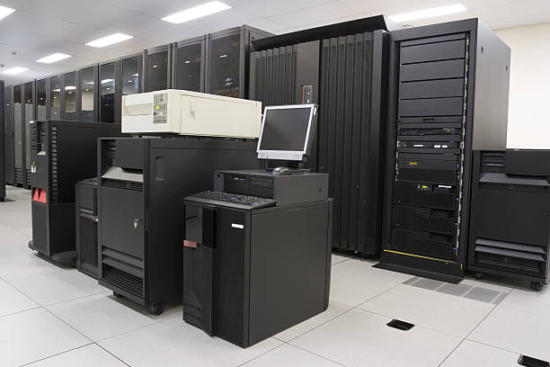
Introduction to NS Mainframe
So, in this ever changing tech world, mainframes can feel like relics, from a past era, you know… but they’re still very much relevant. They keep powering some of the biggest enterprises across the planet. And then there’s NS Mainframe, this pretty solid approach that mixes reliability with newer, more capable functions built for the kind of pressure modern businesses face every day.
If you’re juggling huge volumes of data or keeping complex applications running without interruption , it really helps to understand what NS Mainframe brings to the table. It’s not just about performance, it’s also about that overall package—unique capabilities, plus pricing options that can actually fit different budgets, depending on your organization.
Come along with us as we take a closer look at the features, and we’ll also see how NS Mainframe measures up against other solutions out there. Alright, get ready to find the full picture in our comprehensive review of NS Mainframe !
What is a Mainframe and Why is it Important?
Mainframes are like powerful computing machines that deal with all this huge data and a constant flow of transactions. They basically become the backbone for a lot of big organizations, and they keep things running smoothly, with high level performance too.
What stands out is that these systems are usually strong on reliability and security , and they can scale up when needed. Many companies just lean on mainframes for critical software, so the apps keep going and they don’t shut down at the worst moment. That’s why you see them in finance, healthcare, and even government work.
Honestly, the big deal with mainframes is how they manage a lot of users at the same time while still juggling complicated workloads. The way the architecture is built supports that, so efficiency stays intact even when demand spikes and the pressure is higher than usual, you know.
There’s also the whole data management side. Mainframes offer solid storage solutions, and they help organizations make use of useful insights from big data analysis.
And as digital transformation keeps speeding up across industries, mainframe technology keeps getting more relevant, not less.
Key Features of NS Mainframe
NS Mainframe has some pretty strong scalability, so organizations can nimbly adjust computing capacity when usage levels start to change. That flexibility can matter a lot for companies that are expanding, or even those with seasonal spikes in demand, you know.
On top of that, the platform brings solid security features. It includes encryption by default, plus access controls, so data protection is treated like a real priority. In other words , teams can feel confident sensitive records won’t be exposed to people without permission.
Reliability is another big deal here. NS Mainframe runs with very low downtime, which helps keep important applications online, even all the time. So mission critical operations can continue without interruption, without those annoying delays that nobody wants.
There are also performance optimization tools that help with processing efficiency, supporting quicker transaction throughput and steadier resource handling. The end result is usually improved operating speed and less latency when services are being delivered.
Finally, comprehensive support documentation is available. It gives users practical resources for troubleshooting, and for getting more from the system overall. The guidance is clear enough that organizations can navigate the complexities without making it feel overwhelming, or at least not as much.
Pricing Options for NS Mainframe
When looking at NS Mainframe, it really helps to understand how the pricing works, because the costs can jump around a lot, depending on how you use it and which features you actually need.
In most cases, businesses can go with flexible subscription models, or choose a one-time licensing fee. That kind of flexibility makes it easier for organizations to match their spending with the real requirements , and with whatever budget they have set.
Also, things like the processing power and the support services matter more than people expect, they can meaningfully change the overall price. Many teams end up getting better value when they tune the plan details, rather than sticking to a generic setup, it tends to improve resource distribution.
It’s also a good idea to check whether there are discounts for long-term commitments, or if there are bulk purchase deals available. Those offers can lower the financial burden , while still letting you keep strong capabilities.
If you want a clear, itemized view of what you might pay, it’s worth checking the official NS Mainframe documentation, since it outlines the different pricing tiers in today’s market.
Alternatives to NS Mainframe
When looking for alternatives to NS Mainframe, a few choices kind of pop up in the broader enterprise computing world, you know. There are several options that seem to fit different requirements and budgets, depending on what a company is trying to do.
IBM Z is one strong contender, it brings serious throughput and layered security features that are usually built for big enterprises. The way it manages huge transactional workloads tends to make it a go to solution in many data heavy environments.
Then there are HPE NonStop servers. These are especially good at high availability and fault tolerance, which matters a lot for organizations where downtime is basically a no go. They’re often picked when resiliency isn’t just a “nice to have”, but a core need.
If you’re leaning toward cloud based approaches, AWS Mainframe Modernization can be a practical route. It helps teams migrate existing mainframe applications toward the cloud, without too much chaos or disruption during the transition.
Oracle’s Exadata is also worth mentioning. It’s an integrated database platform, offering flexibility for how the system can be deployed, while still keeping performance in focus.
You can also read about: Amazon Fire TV Stick
Overall, each of these paths has distinct strengths and different trade offs, so the right pick usually comes down to organizational priorities and long term goals.
Real-life Example s of companies that actually use mainframes
Big organizations in many fields lean on mainframes because they’re sturdy and dependable. You can see it pretty clearly in banking. For example, JPMorgan Chase uses these systems to handle huge amounts of transaction data, in a secure way, and still stay lined up with regulatory demands.
Insurance firms too, like MetLife, rely on mainframes. They run through millions of claims and customer touchpoints each day, so things don’t lag too much, and the service keeps working at a high level of reliability.
Then there’s retail, where companies like Walmart use mainframe tech to inspect inventory status in near real time. That helps them keep the supply chain running smoothly, and it supports that “always ready” feel when shoppers arrive.
Even government operations lean heavily on mainframes. The Social Security Administration uses them to manage millions of records correctly, efficiently, and without drama. This also supports public confidence since the services are dependable and consistent.
All of these cases show a pattern. Different industries take advantage of the scalability and security mainframes provide, and it’s not just theory, it’s day-to-day practice.
Conclusion
The NS Mainframe kinda offers a solid and dependable solution for businesses that really need reliability, plus performance too. It has those advanced features that work across different industries, so it tends to be a pretty versatile option, overall.
If you want to plan the budget though it helps to understand the pricing structure. When you know what the costs look like , it’s easier to handle financial planning and avoid surprises later.
And for people looking at alternatives, there are several other choices that can provide similar capabilities. Spending time on research for those substitutes makes it more likely you’ll end up with the best fit for your specific needs.
In real-world use, mainframes show up as important in today’s tech landscape. Companies that leverage this setup often see notable improvements in efficiency, and they also mention security as a big win.
Staying current with proper documentation is also essential. Resources about NS Mainframe can strengthen user understanding, plus help operational effectiveness overall.
Still, every organization should assess its own unique requirements before deciding on any mainframe solution.
FAQs
What is the purpose of an NS Mainframe?
- The NS Mainframe allows you to process very large amounts of data in a high-availability and highly-reliable environment. This makes it ideal for large-scale businesses, such as banks and other financial service providers, or government organizations.
Can small businesses use an NS Mainframe?
- You can certainly use an NS Mainframe to grow smaller companies with appropriate scaling for your company’s needs, because the solution is powerful. Larger organizations typically invest their time and money into more complex NS Mainframe solutions.
How much does an NS Mainframe cost?
- You will find a variety of pricing options, depending on your usage metrics, your hardware configuration, and the level of support needed. It is helpful to review your organization’s specific needs prior to proceeding with your commitment.
Where can I find free resources to learn about the NS Mainframe?
- Many resources exist online (through tutorials and documentation) that describe how to use the NS Mainframe. There are also websites dedicated to teaching tech (including many that offer tutorials and courses on mainframes).
Can I integrate software from other sources with my NS Mainframe?
- Yes, modern NS Mainframe systems are equipped with a broad range of integration capabilities (APIs and third party applications are supported).