Are you considering a daith piercing? This popular ear adornment has captivated many with its unique look and potential health benefits. But what exactly is it? Beyond the aesthetics, there’s a rich history behind this type of piercing and intriguing claims about its effects on well-being. From pain levels to healing time, we’ll delve deep into everything you need to know about daith piercings. Whether you’re curious about their origins or simply want tips for aftercare, this complete guide will help you navigate your journey into the world of daith piercings while answering the burning question: What are the benefits of a daith piercing?
What is a Daith Piercing Benefits?
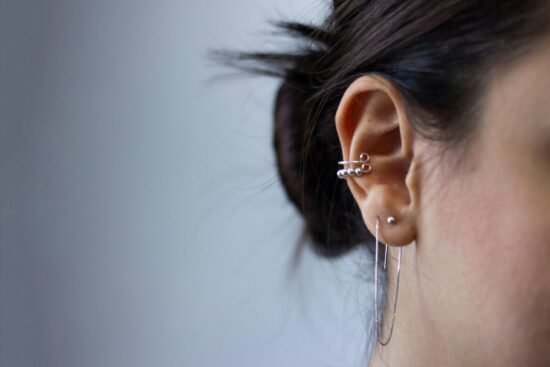
A daith piercing is located on the innermost cartilage ridge of the ear, just above the ear canal. It’s a distinctive choice that often catches the eye and adds flair to your overall look.
This type of piercing has gained popularity in recent years, not only for its unique aesthetic but also for its potential health benefits. Many people are drawn to it as a form of self-expression.
When you get a daith piercing, it involves puncturing through thick cartilage rather than soft tissue. This makes it different from standard lobe piercings and gives it a distinct character.
The jewelry used can vary widely, ranging from hoops to studs, allowing for personalization that reflects individual style. For those who appreciate body art with meaning or impact, choosing this particular location offers both beauty and intrigue.
History and Origin of Daith Piercing Benefits
Daith piercings have a rich history that traces back to ancient cultures. Originating in the Middle East, these ear adornments were not just for aesthetics; they often held cultural significance.
In traditional practices, such as those found in Ayurvedic medicine, it was believed that piercing certain points on the body could influence energy flow. The daith area is located near acupressure points linked to alleviating migraines and anxiety.
As time progressed, this piercing gained popularity in Western culture during the alternative music boom of the 1990s. It became a symbol of individuality and self-expression among youth.
Today, many people seek out daith piercings not only for their striking appearance but also for potential health benefits attributed to ancient beliefs. This blend of history and modern trends keeps the allure alive in contemporary body art conversations.
Pain Level and Healing Process
The pain level associated with a daith piercing can vary from person to person. Generally, it’s considered moderate. Many report feeling a sharp pinch during the actual puncture, followed by a dull ache.
Healing time typically spans between 3 to 6 months. However, individual factors like your body’s healing abilities and aftercare practices play significant roles in this timeline.
During the healing process, you may notice some swelling or tenderness around the area. This is normal and usually subsides within a few weeks.
Keeping up with proper care routines helps minimize discomfort and promotes faster healing. Regular cleaning with saline solutions can keep infections at bay while ensuring that your new piercing remains healthy over time.
Benefits of Daith Piercing Benefits
Daith piercings have gained popularity not just for their aesthetic appeal but also for some intriguing benefits. Many people believe that these piercings can help alleviate migraines and tension headaches. The theory behind this is rooted in acupuncture principles, where stimulating specific pressure points may reduce pain.
In addition to potential headache relief, daith piercings often serve as a unique form of self-expression. They allow individuals to showcase their personality and style while making a bold statement about body art.
Another benefit lies in the healing process itself. A properly cared-for daith piercing can heal relatively well over time, encouraging personal responsibility and hygiene awareness during aftercare.
The experience of getting pierced can be empowering for many. It’s an act of bravery that marks a new chapter or transformation in one’s life journey.
Aftercare Guide for Daith Piercings
Taking care of your daith piercing is crucial for proper healing and to avoid complications. Start by cleaning the area twice a day with saline solution or a mild antibacterial soap. Avoid alcohol-based products, as they can irritate the skin.
When washing, use gentle motions without applying excessive pressure. Pat dry with a clean paper towel instead of rubbing it with fabric that may harbor bacteria.
Avoid touching your piercing unless necessary. If you need to adjust jewelry or clean it, make sure your hands are thoroughly washed first.
Swimming in pools or hot tubs should be off-limits during the initial healing phase to prevent infection. Also, steer clear of heavy earrings that could pull on the piercing.
You can also read about: Prestwich Massage
Be patient! Healing times can vary from person to person, so give yourself grace throughout this process while monitoring any signs of irritation or infection.
Risks and Precautions to Consider
When considering a daith piercing, it’s essential to understand the potential risks involved. Infection is one of the most common complications. A clean and sterile environment during the procedure is crucial in minimizing this risk.
Allergic reactions to jewelry materials can also occur. Opt for high-quality metals like titanium or surgical steel to reduce sensitivity.
Another concern is improper healing due to excessive movement or pressure on the area. Be mindful of your activities during the healing process.
Keloids, which are raised scars that develop at the piercing site, may form in some individuals. If you have a history of keloid formation, consult with a professional before proceeding.
Always choose an experienced piercer who follows stringent safety protocols. Research their credentials and read reviews from previous clients to ensure you’re in safe hands while getting your daith pierced.
Conclusion
Daith piercings have gained popularity for their aesthetic appeal and potential health benefits. Their unique placement makes them a favorite among body art enthusiasts.
The healing process is relatively straightforward with proper care. Many find the experience rewarding, both visually and emotionally.
Understanding the risks involved ensures a safe journey into this form of self-expression. Aftercare plays a crucial role in achieving the best results.
Exploring these facets can help you make an informed decision about whether to take the plunge or not. Each individual’s experience will vary, but many share positive stories that inspire others.
Whether it’s for style or perceived wellness advantages, daith piercings continue to intrigue those considering new forms of body art. The choice lies in your hands, as each piercing tells its own story.
FAQs
What is a daith piercing?
A daith piercing is located in the innermost fold of the ear. It’s unique due to its placement and has gained popularity over recent years.
Does getting a daith piercing hurt?
The pain level varies for each person, but many describe it as a quick pinch rather than intense pain. Expect mild discomfort during and after the procedure.
How long does it take for a daith piercing to heal?
Healing typically takes between 6 to 12 months. However, everyone heals differently based on their body and adherence to aftercare instructions.
Can a daith piercing help with migraines?
Many claim that this type of piercing can alleviate migraine symptoms, although scientific evidence remains limited. Still, personal testimonials suggest potential benefits.
What are some aftercare tips for my new daith piercing?
Keep the area clean with saline solution or an antibacterial soap recommended by your piercer. Avoid touching or twisting the jewelry and refrain from swimming until fully healed.
Are there any risks associated with daith piercings?
As with any body modification, there are risks such as infection, allergic reactions to materials used in jewelry, or keloid formation if you’re prone to scarring.
How much does a daith piercing cost?
Prices vary by location and studio expertise but generally range from $30 to $100 excluding jewelry costs.
By knowing these details about your potential new accessory—alongside understanding its benefits—you’ll be better equipped when deciding whether this trendy choice aligns with your lifestyle!