Introduction: The popularity of the term Rabona
Soccer is a sport filled with flair, creativity, and moments that leave fans breathless. Among the dazzling skills athletes showcase on the field, one move stands out for its unique style: the rabona. This term has gained traction not just in football circles but also among casual sports enthusiasts who appreciate the artistry behind it. But what does “rabona” really mean? Where did it come from, and how did it carve a niche in soccer history? Let’s dive into this captivating term’s origin and significance while exploring its impact on the beautiful game.
Origin of the name Rabona
The term “rabona” has its roots in the Spanish language, where it translates to “to wrap” or “to bind.” This definition is fitting for a football move that involves wrapping one leg around the other.
It’s believed that the name originated in Argentina during the early 20th century. Local players began using this distinctive technique, and as its popularity grew, so did its name. It became synonymous with flair and creativity on the pitch.
In essence, executing a rabona requires not just skill but also an element of showmanship. Players who master this technique often become crowd favorites due to their ability to surprise opponents while showcasing their talent. The term quickly spread beyond Argentine borders, becoming recognized globally within football culture.
Historical significance of the rabona in football
The rabona has a rich history in football that transcends the mere act of kicking a ball. Originating in South America, it symbolizes flair and creativity on the pitch. Players would use this technique to showcase their skills while navigating tight spaces.
Its first notable appearance dates back to the 19th century, primarily in Argentina. The move gained traction as players began to execute it with increasing finesse during matches. This added an element of surprise and artistry that captivated fans.
Throughout the decades, the rabona has evolved from an occasional trick into a celebrated part of football culture. It represents not just skill but also individuality—a way for players to express themselves uniquely within a team dynamic.
As teams became more tactical over time, incorporating such creative moves became essential for breaking defenses, making the rabona both significant and practical in gameplay strategies.
Famous players who have executed the rabona move
The rabona has dazzled fans across the globe, thanks to several iconic players who have mastered this move. One of the most famous is Diego Maradona, who executed it with flair during his legendary career. His skillful touch made each rabona look effortless.
Another notable name is David Beckham. Known for his precision crosses, he frequently surprised defenders with unexpected rabonas that often led to spectacular goals or assists.
More recently, players like Ángel Di María and Erik Lamela have brought the move back into the spotlight. Lamela’s stunning rabona goal in a North London derby remains one of the greatest moments in Premier League history.
These athletes not only showcase their technical skills but also elevate the artistry of football through such inventive moves. Each execution adds a unique chapter to soccer’s rich narrative and keeps enthusiasts talking long after the final whistle blows.
Controversies surrounding the use of the rabona
The rabona, while celebrated for its flair and skill, hasn’t escaped controversy. Critics often argue that using this move can be risky. A poorly executed rabona can lead to missed opportunities or even injuries.
Some purists believe it distracts from the fundamental aspects of the game. They claim players should prioritize effective techniques over flashy maneuvers like the rabona.
Moreover, in competitive matches, executing a stylish move could backfire if it doesn’t yield results. Fans sometimes view such attempts as showboating rather than showcasing talent.
In youth leagues, coaches debate whether teaching the rabona is worthwhile. They worry that young players might focus more on style than substance.
You can also read about: Siblings Does Marcus Rashford
Despite these concerns, many see the rabona as part of football’s evolution—an expression of creativity that adds excitement to matches and showcases individual talent on an international stage.
Evolution of the rabona in modern football
The rabona has undergone a remarkable transformation in modern football. What once was a rare spectacle is now increasingly embraced by players at all levels.
With advancements in training techniques and tactical understanding, the move has found its place in various formations. Coaches encourage creativity, allowing players to express themselves through unique styles.
High-profile matches often feature breathtaking rabonas that captivate audiences worldwide. Fans eagerly anticipate these moments of flair, elevating the entire experience of watching the game.
Social media plays a significant role too. Viral clips showcase stunning executions of the move, inspiring younger generations to incorporate it into their playbooks.
As football evolves with technology and strategy, so does the art of executing a rabona. It remains not just a skill but also an emblem of innovative spirit within contemporary soccer culture.
Conclusion
The rabona is more than just a technique; it embodies creativity and flair on the pitch.
Players who master this move weave their unique style into the fabric of football culture. It resonates with fans, inspiring awe and admiration.
As the game evolves, so does the rabona. New generations of players continue to reinvent its execution, keeping it relevant in contemporary matches.
It stands as a testament to skill and artistry in soccer. Each successful attempt leaves spectators buzzing with excitement.
This iconic maneuver reflects not only individual talent but also the rich history of football itself. The rabona will undoubtedly remain a cherished part of soccer lore for years to come.
FAQs
What does the term “rabona” mean in soccer?
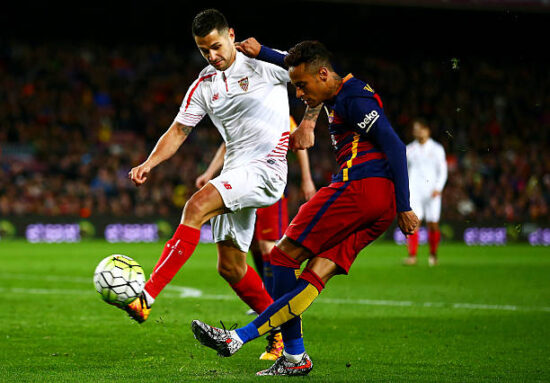
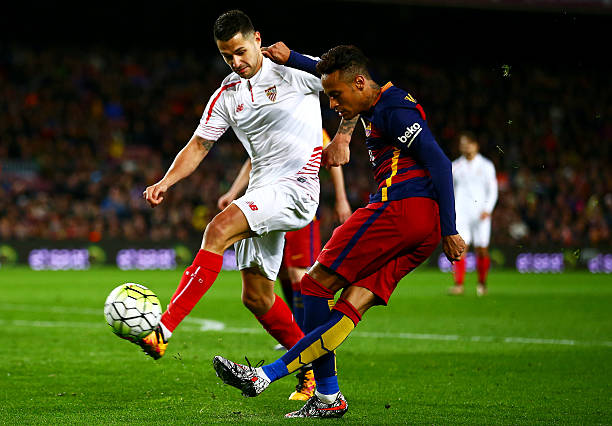
The term “rabona” refers to a specific technique where a player strikes the ball while crossing one leg behind the other. This move is often used when a player needs to kick with their weaker foot or when they want to add flair to their play.
Why is it called rabona?
The name originates from Argentine Spanish, where “rabona” translates loosely as “to miss school.” It was said that players would use this move as a way of skipping past defenders, just like students might skip classes.
Who first popularized the rabona in football history?
While its precise origins are debated, many credit Argentine footballer Ricardo Infante with popularizing the move in the 1930s. His innovative style showcased creativity on the pitch and inspired subsequent generations of players.
Which famous players have used the rabona effectively?
There are several renowned players known for executing spectacular rabanas, including Diego Maradona, Neymar Jr., and Ángel Di María. Each has showcased this skill at pivotal moments during matches, leaving fans amazed by their technique.
Is there controversy surrounding using rabonas in games?
Yes, some purists argue that using such flashy techniques can be seen as disrespectful towards opponents or an unnecessary risk during crucial plays. Others embrace it as part of modern football’s evolution and creativity.
How has the rabona evolved over time?
Over decades, what started as an unconventional trick has become more widely accepted among professional athletes. Today’s training facilities teach young talents how to execute various styles of rabanas confidently and effectively within competitive matches.
These questions reflect only a glimpse into what makes “rabona” such an intriguing aspect of soccer culture today—its meaning resonates beyond just gameplay; it’s about artistry and celebrating individuality on the field.