
Introduction to Mezah Menu
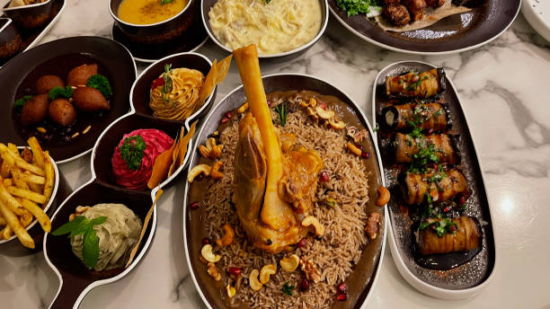
When it comes to discovering exciting flavors and rich food traditions, the Middle Eastern mezah menu is a true treasure trove. This exciting culinary experience encourages you to come together and share a variety of small dishes that are simply overflowing with flavor and tradition. Each dish has a story to tell, symbolizing centuries of history and influences that have helped to mold the cuisine of this fascinating region.
Just imagine sitting down to a table laden with colorful dips, delectable meats, and crunchy vegetables—all designed for sharing. The mezah menu is more than just a culinary experience; it is a celebration of community, connection, and joy. Whether you are new to these exciting flavors or have long been a lover of traditional favorites such as hummus and falafel, there is always something new to discover when it comes to an authentic mezeh menu for dinner.
So pick up your fork (or pita!) and come along with us on a journey into the world of Middle Eastern culinary delights—where exciting flavors await around every corner!
The History and Impact of Middle Eastern Cuisine
Middle Eastern cuisine has a long history that dates back thousands of years. It has been influenced by ancient civilizations, trade routes, and cultural interactions. The Fertile Crescent, also known as the cradle of civilization, was an important factor in the development of food traditions.
Spices such as cumin, coriander, and saffron were traded from Asia to Europe through trade routes. This helped to give Middle Eastern cuisine its own distinct flavor and ingredients.
The impact of different cultures, such as Persian, Ottoman, and Arab, has resulted in distinct cooking styles and variations of dishes in different countries. Sharing common practices such as communal dining reflects the hospitality of the people.
The mezeh menu today offers a glimpse into this rich heritage through a variety of small dishes that are designed to be shared. Each dish offers a story that is rich in tradition while also encouraging new experiences for adventurous food lovers who are eager to discover traditional flavors through innovative approaches.
Popular Ingredients and Cooking Methods in Middle Eastern Cuisine
Tasting the cuisine of the Middle East is like walking into a pantry where the common ingredients, such as olive oil, garlic, and onions, form the foundation for many meals.
Spices are what give the cuisine its pulse, its warmth, and its depth. Cumin, coriander, sumac, and za’atar are not simply aromatics; they’re vessels for history, for ancient trade routes and cross-cultural exchange.
Bright green colors come alive with fresh herbs like parsley, mint, and cilantro. These can turn dishes ranging from salads to hearty stews into memorable dishes.
The traditional methods also shape the experience. Cooking methods such as grilling, which offers a smoky taste when using open flames, and slow cooking, which allows spices to mix and tenderize meat, cannot be forgotten.
Stone ovens give bread a delicious crackle outside and pair well with popular flat breads such as pita or lavash. All these techniques have their own characteristics and add to the unique taste of Middle Eastern cuisine.
Must-Try Dishes on the Mezah Menu
As one browses the offerings of the mezah menu, certain dishes stand out as the very heart of Middle Eastern cuisine.
Hummus remains a perennial favorite, a delightful combination of chickpeas, tahini, and olive oil that assures richness with each succulent bite. Warm pita serves as perfect accompaniment.
Tabbouleh provides a delightful zing, loaded with parsley, mint, tomatoes, and bulgur. It is a bright, lively salad, perfect as a side dish or light starter.
Falafel is something you should definitely not miss: crispy balls of chickpeas cooked to perfection, usually served with a wrap or salad.
As a more substantial alternative, the offered kebabs, marinated and cooked in aromatic spices, make a dramatic centerpiece.
And to round it all off, the sweetness and bliss of baklava, the honey-drenched pastry dish layered with nuts and offering a new tale of deliciousness with every bite.
Exploring the Healthful Rhythm of a Middle Eastern Diet
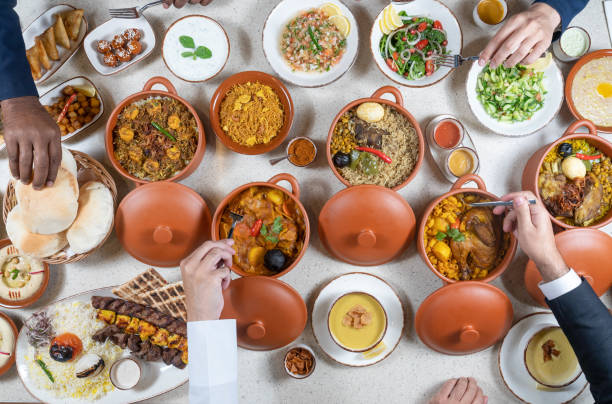
Think fresh and vibrant, and an Middle Eastern pattern of eating centers around the use of fruit, grains, and good fats. It’s all about an emphasis on fruits and vegetables, clean and pure grains, and fats and oils.
Olive oil is the oil of choice, providing healthy heart-friendly monounsaturated oils to many meals. Using it helps to tip the balance towards healthy cholesterol levels.
Legumes like lentils and chickpeas excel as sources of protein while also being rich in fiber. Fiber can aid in digestion and help you feel full for longer.
Turmeric and cumin have two uses. Use these kinds of spices in any dish to boost flavor and healthfulness.
You can also read about: Pace Morby Net Worth Revealed
This type of cooking also emphasizes community mealtimes. Eating meals together builds connections, promotes self-awareness, and cultivates gratitude for meals and food.
The variety of taste and wholesome foods included in a Middle Eastern style foster physical health and indulge the senses.
Finding Authentic Middle Eastern Spots
Searching for the authentic Middle Eastern culinary experience is a delightful adventure in itself. You may start by looking at your local food scene, as there are many cities with vibrant neighborhoods featuring Middle Eastern cuisine.
Look to social media as a means of finding hidden treasures. Food bloggers, for instance, may feature exceptional eating experiences, including signature food and experiences not to miss.
Don’t forget to check reviews from popular restaurant review sites. Look for the real opinions of other people to discover the best mezze dishes and other dishes near your location.
If you’re up for a short road trip, try going to areas that have a reputation for culinary diversity. Some areas known for their Middle Eastern communities have some outstanding dining spots.
Ask locals or friends who have tried the cuisine. Recommendations from individuals who know authentic food can help guide you towards “unforgettable meals with authentic, traditional flavors.”
Guide to Using Mezah Menu in Your Own Kitchen: Simple Recipes to Prepare at Home
Making the flavors of a Middle Eastern MEZAH menu come alive in your own home can be a delightful culinary adventure. A good place to start is with a simple and popular recipe for Hummus. Simply blend chickpeas, tahini, lemon juice, garlic, and olive oil for a delicious and creamy snack that perfectly complements pita bread.
Next, try tabbouleh, a refreshing herb salad. Chop parsley and/or mint, mix with tomatoes and bulgur, then season with olive oil and lemon juice.
For something warm, comforting, and tasty, falafel is a good choice. Falafel is made by combining soaked chickpeas or fava beans with some herbs and spices, and deep-frying.
And don’t forget to make the baba ghanoush! Roast four eggplants until charred and then mash to make another popular dish.
These meals connect you to the world of traditional cuisine while allowing for a shareable meal experience at home.
Conclusion
The dishes at Mezah menu are a great tasting experience of the Middle Eastern flavor. The dishes have a story of their own and thus create the urge in you to learn more.
These dishes, ranging from scrumptious starters to delicious main meals, are apt for varying culinary tastes. The blend of spices results in unique flavors that are experienced long after eating.
This style of cooking is not only about eating well, it is about discovery, tradition, and being hospitable too. Sharing of Mezah with loved ones creates greater bonds between them.
Authenticity follows you whether you choose to dine out or cook at home, and you can actually taste the authenticity with every morsel you put into your mouth.
Diving into Middle Eastern Mezah: A Key to New Flavors and Relationships, One Delightful Dish at a Time!
FAQs
What is, actually, a Mezah Menu?
- A Mezah menu is a setup of small dishes, similar to tapas, for a Middle Eastern flair. The menu allows for a chance to try various bites of Middle Eastern cuisine’s defining flavors.
Are the mezah dishes on the menu worth trying?
- Hummus, baba ganoush, falafel, tabbouleh, and stuffed grape leaves stand out as outstanding choices. Each dish has a combination of unique spices and fresh ingredients, which are key elements of Middle Eastern cuisine.
How can I create a genuine mezah menu for dinner at a home setting?
- Start with small plates. When making a traditional mezah spread, gather several small plate recipes. Focus on seasonal vegetables, legumes such as chickpeas or lentils, herbs, etc. – mint, parsley, etc.
Are there any health advantages to a Middle Eastern style of consuming food?
- Definitely. A traditional Middle Eastern diet will include a lot of vegetables, whole grains, and lean protein sources such as chicken and fish. It will also include good fats from olive oil and nuts.
Where can I find authentic Middle Eastern restaurants?
- Look for local dining guides or apps that feature ethnic cuisine in your neighborhood. Eat at places that are known for their traditional cuisine, as they tend to provide better quality mezah dishes.
Can you give some simple recipes for classic mezah dishes?
- Sure. Well, you can begin with some simple preparations such as hummus prepared by blending chickpeas from a can along with tahini and lemon juice, or even falafel prepared using dried and split favas along with some herbs and then fried to a crisp, golden brown color.